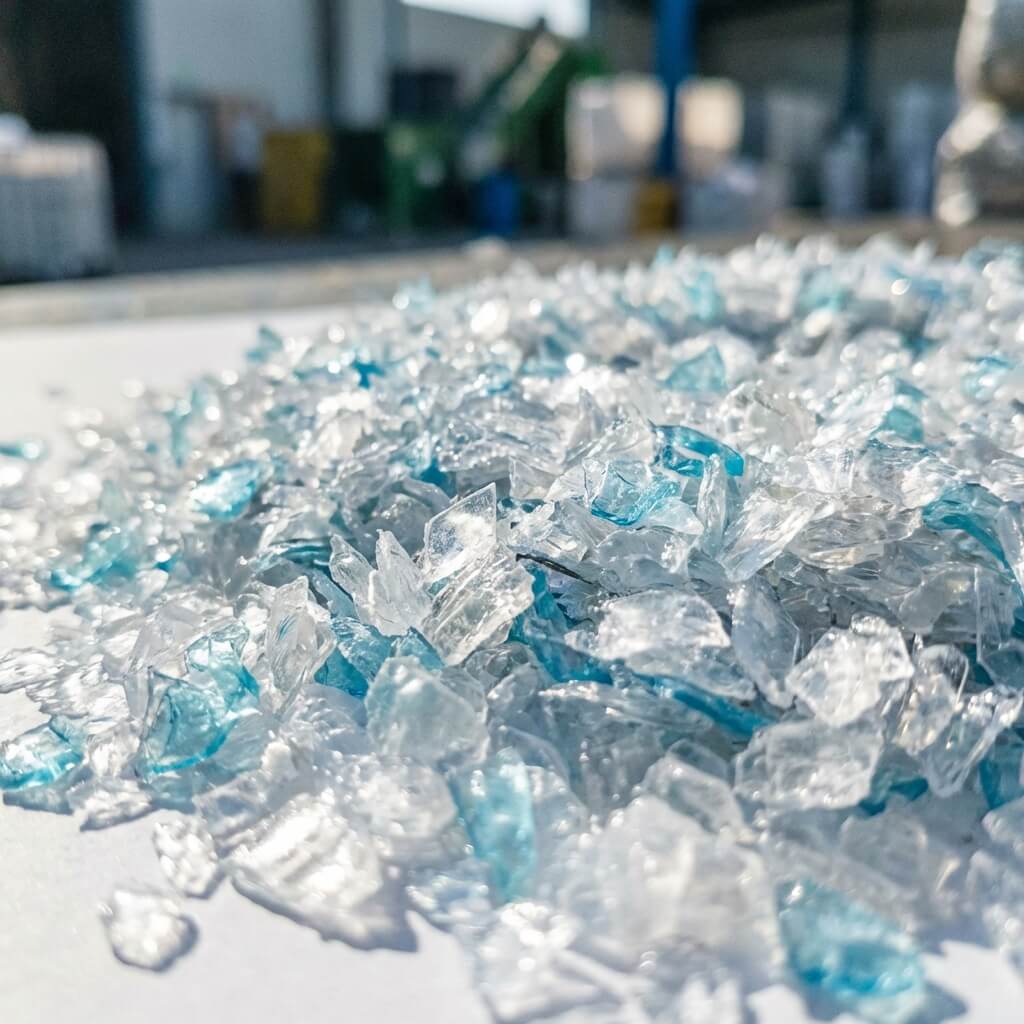
Understanding the difference between PET and HDPE plastics is crucial for maximizing recycling value.
What is PET?
**PET (Polyethylene Terephthalate)** is marked with recycling symbol #1. It's commonly used for:
PET is typically clear or lightly tinted and has a higher melting point.
What is HDPE?
**HDPE (High-Density Polyethylene)** is marked with recycling symbol #2. It's commonly used for:
HDPE is usually opaque and has different chemical properties.
Why Separation Matters
#1. Thermal Properties
PET and HDPE process at different temperatures. Mixing them causes catastrophic failure in the extrusion process.
#2. Rebate Value
Separated, high-quality PET and HDPE command premium prices (up to 40% higher) in the recycling market compared to mixed bales.
Sorting Protocols
**Visual ID:** Check the bottom of bottles and containers for #1 (PET) or #2 (HDPE).
**The Crunch Test:** PET bottles crinkle easily and make a sharp sound. HDPE is waxy and quieter.
Caps and Labels
Good news: Modern automated lines use float-sink tanks to separate caps (PP/PE) from the bottle flakes. Your focus should be on not mixing the bottle bodies.